

Visit from Australia, 22 September 2025

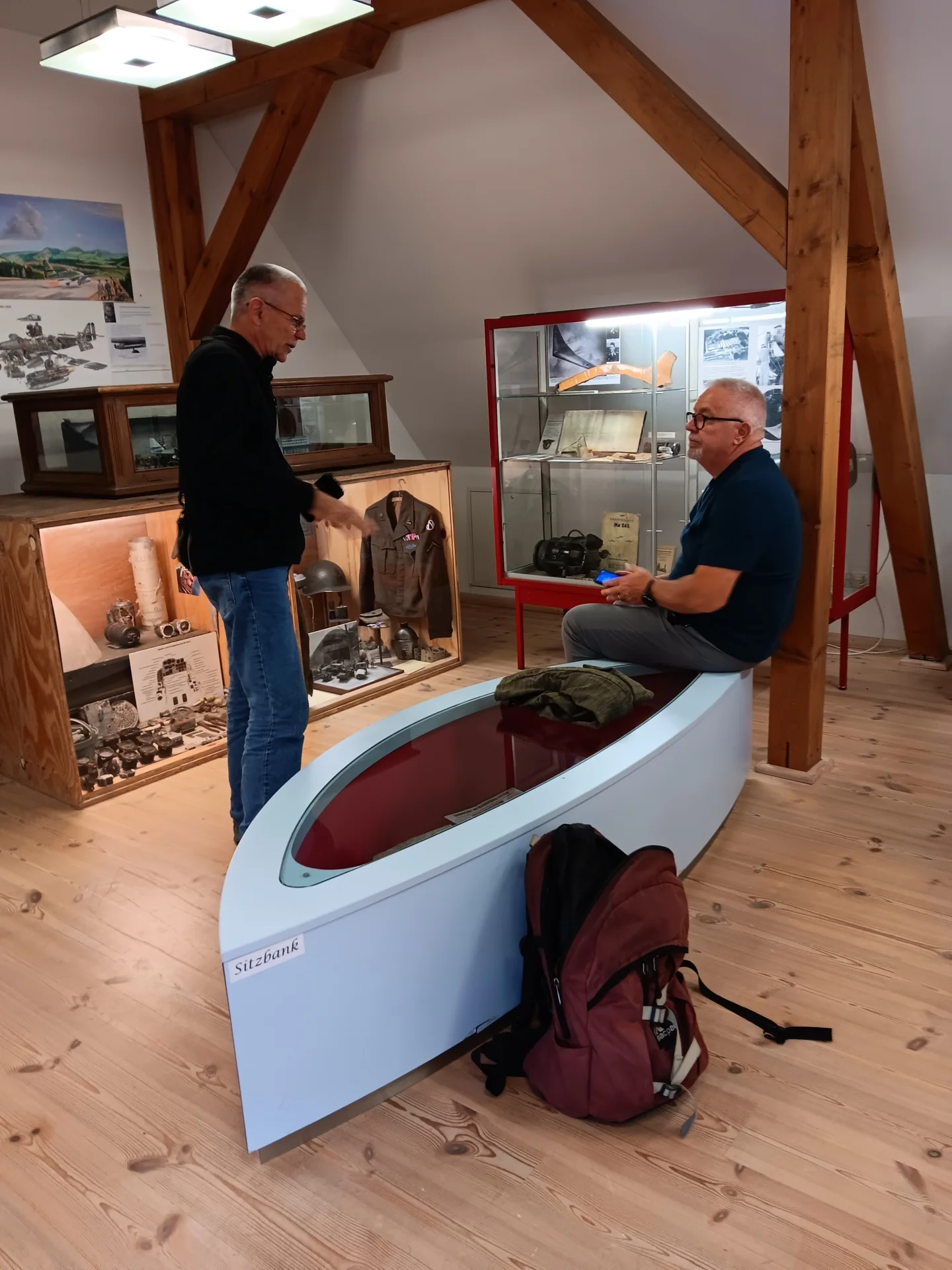
We had been in contact with John Winkler, Australia, for a long time. On September 20, 2025, we were able to welcome him personally in Kahla. He is considered an international specialist in LIDAR systems and has thus recorded several historical deposits in the region. The reason for his visit to Kahla was to gain new insights into the location, size and structure of the REIMAHG camps, especially Camp 3 on the Forstberg and the camps in Leubengrund, with the help of state-of-the-art LIDAR technology.
This technology makes it possible to precisely record terrain and buildings in three dimensions and to make structures that have long been hidden or overgrown visible again. John Winkler has been working on archaeological and historical projects using LIDAR for many years.
Why the REIMAHG warehouse
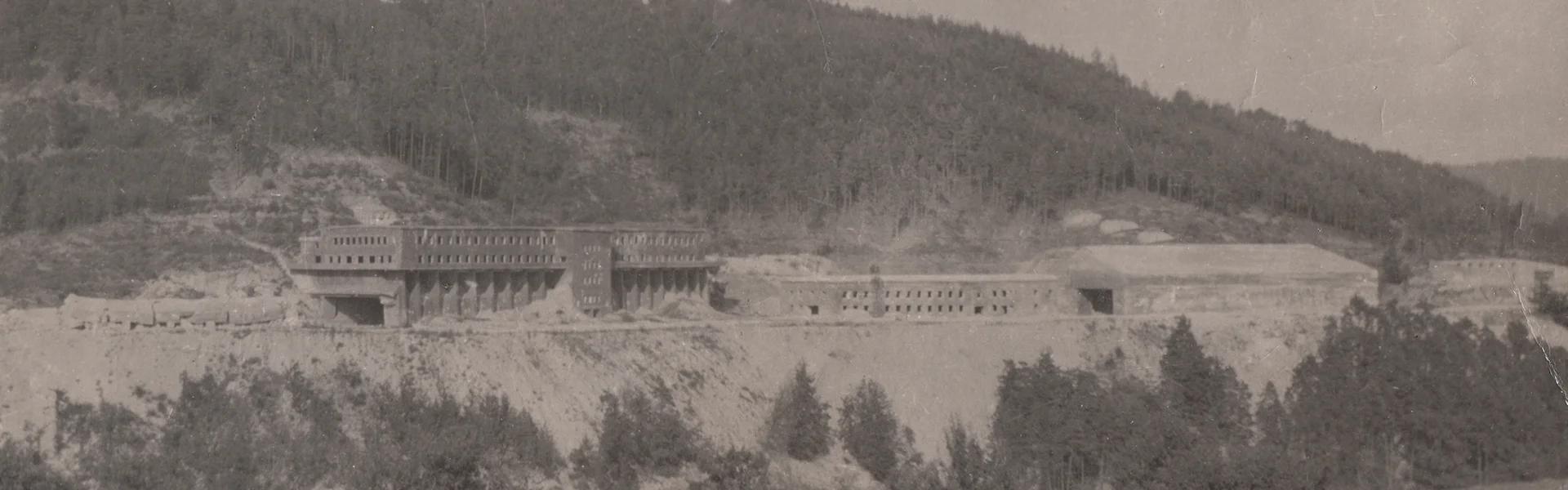
The REIMAHG camps are important relics from the Second World War and served as accommodation and workplace for forced laborers. Today, the camps are important memorials and the subject of historical research.
The use of LIDAR technology
John used state-of-the-art LIDAR equipment for his inventory in order to precisely measure the terrain of the respective camps and then evaluate them professionally. The technology makes it possible to discover and document structures even under dense vegetation. Especially for the exploration of structural remains, foundations and the discovery of possibly still hidden buildings, new unimagined possibilities are offered.
The data obtained will help to create a detailed digital 3D terrain model and use it for exhibition and documentation purposes. This not only supports historical research, but also helps protect and document the sites for future generations.
Initial results and vision for the future
The first evaluations of the data showed that previously unknown structures and terrain were recorded in all three camp locations. Especially in the area of the REIMAHG camps, new evidence of structural remains can be seen that were no longer visible to the naked eye. Further analyses and follow-up investigations are planned in order to determine and document the data obtained even more precisely.
The Bottom Line
John's visit was a great gain for our research and structural reappraisal of the historic deposits REIMAHG, Forstberg Lager 3 and Leubengrund. The use of LIDAR technology opens up new perspectives and helps to deepen the understanding of the history of these places. The cooperation with international experts such as Winkler underlines the importance of scientific and technological networking in the field of historical research.
Fotoserien
Besuch aus Australien, 22. September 2025 (MO, 22. September 2025)