

Visit to Krakow, September 2025

After visiting the Auschwitz-Birkenau memorial, our next destination on the route of remembrance was on the agenda, Krakow.
The city offers its visitors a lot of history. It was difficult to make a selection. We had chosen two memorial sites related to Auschwitz-Birkenau as our focus.
In the former ghetto, on the "Square of the Ghetto Heroes", is the historic Adler pharmacy. The owner, the qualified pharmacist Tadeusz Pankiewicz, received permission to continue operating his pharmacy in the ghetto established in 1941 in order to be able to supply the ghetto residents.
The pharmacy developed into a place for conspiratorial meetings, a point of contact where provisions and medicines for the inhabitants of the ghetto were passed on, documents were forged and persecuted people were admitted.
Pankiewicz witnessed the end of the Jewish ghetto in Krakow, in which those who were able to work were sent to the Plaszow labor camp, while the elderly, the sick, the unemployed, children, mothers who wanted to stay with their children and doctors who wanted to stay with their patients were shot or deported to the Auschwitz-Birkenau extermination camp.
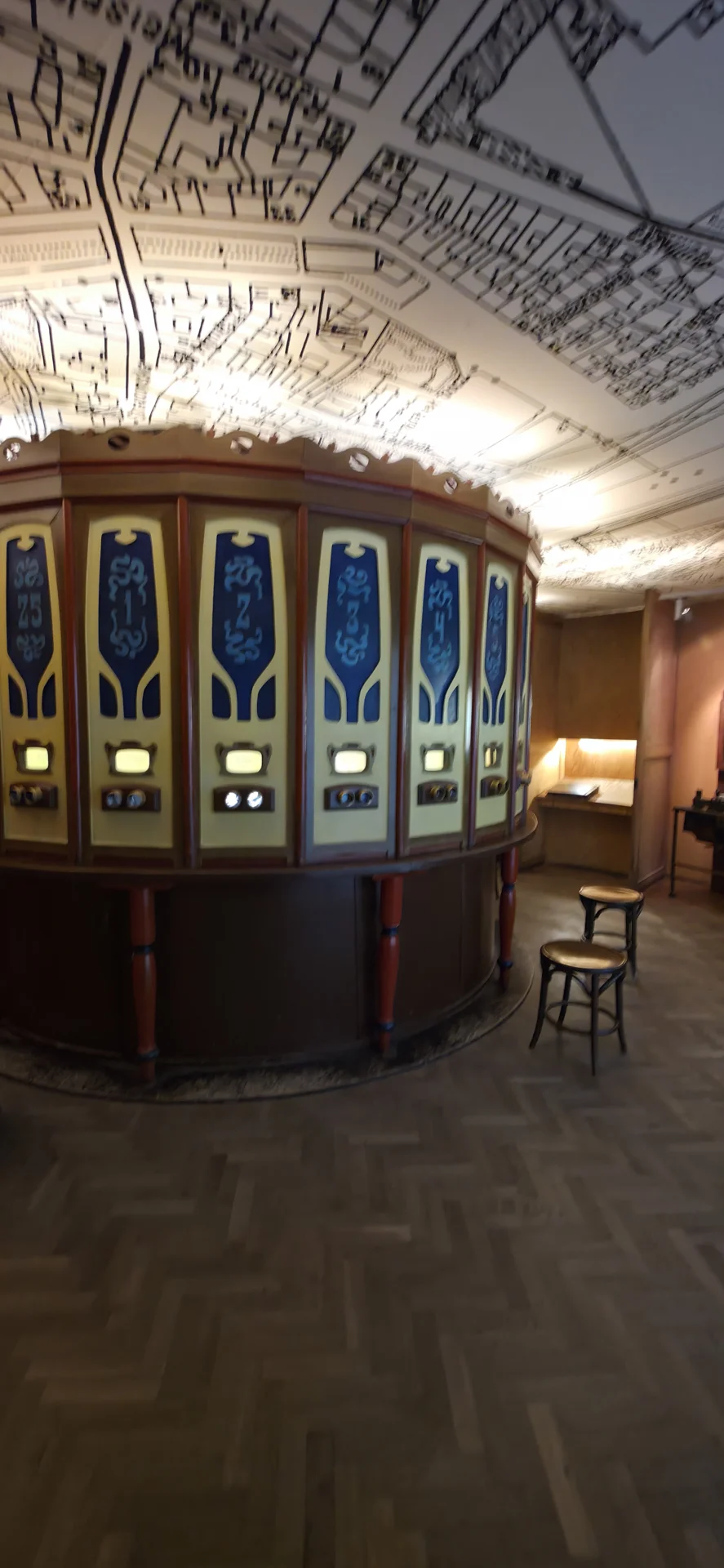
Tadeusz Pankiewicz recorded his memories in the book "The Pharmacy in the Krakow Ghetto". This report, supplemented by other testimonies and objects from the Holocaust period, forms the basis of the permanent exhibition. In the faithfully reconstructed rooms, documents, photographs and other exhibits are stored in pharmacy drawers, the history of which visitors can discover for themselves. Digital technology supports documentation in an excellent way. The interactive exhibition impressed us all very much.
Our destination in the afternoon was the former enamel factory of Oskar Schindler in Lindenstraße. The problem of ordering tickets also overtook us here. There was nothing to do online, so queue and hope that you can get to the museum. We were lucky. The three-storey museum building formerly housed the administration of Schindler's enamel factory. The camp built by Schindler on the factory site for the Jews employed by him has not been preserved. The people and circumstances depicted in Schindler's List are part of the exhibition, as are the references to the film Schindler's List, which was partly filmed in the building.
The design and documentation of Schindler's history as well as the time of the German occupation of Krakow from 1939 to 1945, the fate of the Jews in the Krakow ghetto and in the Plaszow forced labor camp in comparison to the employees in Schindler's factory, are very well historically processed and presented in the extensive exhibition. The museum has left a lasting, deep impression on us, especially the small dark basement room where 10 Jewish children were hidden over several years.
In the afternoon, we went on to the Fabryka Emalia Oskara Schindlera, a state museum in a former building of the enamel factory of Oskar Schindler (German Enamelware Factory (DEF) in Krakow. The three-storey museum building housed the administration of Schindler's enamel factory.
The museum depicts the period of the German occupation of Krakow from 1939 to 1945, with a special focus on the fate of the Jews in the Krakow ghetto and in the Plaszow forced labor camp.
Fotoserien
Besuch in Krakau (DI, 07. Oktober 2025)